
When Your Art and Your Self Are Inseparable
For many LGBTQ+ people, creativity is not a hobby that sits beside their identity. It is the language they used to understand who they were long before they had the words. The doodle in the margin, the playlist made in secret, the character invented in a story, the way of moving that felt more true than speech, these were often the first honest expressions of a self the world had not yet made safe. When your art and your self are that entangled, therapy that ignores one while treating the other will always miss the point.
This post is about what changes when care starts from the opposite assumption, that your creative expression and your identity belong together and deserve to be met as a whole. We will look at why creative arts therapy is such a natural fit for affirming work, how it sidesteps some of the traps of talk-only approaches, and what it can look like to be seen, rather than analyzed, in a therapeutic space.
Why Talk Alone Sometimes Falls Short
Traditional talk therapy asks you to translate your inner world into words and hand those words to another person. For a lot of experiences, that works beautifully. But identity, especially identity that has been questioned or policed, often lives in places that language reaches last. There can be feelings you have never been allowed to name, and asking someone to name them on demand can feel like being interviewed rather than understood.
Creative arts therapy meets you where the feeling actually lives. A color, a movement, a sound, or an image can hold complexity that a sentence flattens. This is not a lesser form of communication; it is often a more precise one. When words carry the weight of every time you were misgendered, dismissed, or told you were a phase, having another channel can be an enormous relief.
The Difference Between Affirming and Simply Tolerant
Affirming care is a specific stance, not a friendly vibe. Tolerance says your identity will be permitted in the room. Affirmation says your identity is a source of insight, resilience, and meaning that belongs at the center of the work. The distinction shows up in small, constant ways, from the questions a therapist asks to the assumptions they never make.
In an affirming space, you are not spending part of every session educating your therapist or bracing for a subtle flinch. That saved energy is not a luxury; it is the difference between therapy that costs you and therapy that restores you. The practice's team is intentional about this, and you can get a sense of the people behind the work by reading about the therapists who make up the community.
What affirming creative work can look like
Affirming creative arts therapy does not have a single format, and that flexibility is part of the point. Depending on what you need, a session might draw on any of the following:
Visual art to externalize a feeling you cannot yet describe, so you can look at it together rather than search for the perfect word.
Movement to reconnect with a body that may have felt like contested territory, reclaiming it as your own.
Drama and role work to rehearse conversations, boundaries, or coming-out moments in a space where nothing is permanent and everything can be revised.
Music and sound to regulate your nervous system and access memories or emotions that live below language.
Writing and story to author a narrative of yourself that you, not anyone else, get to define.

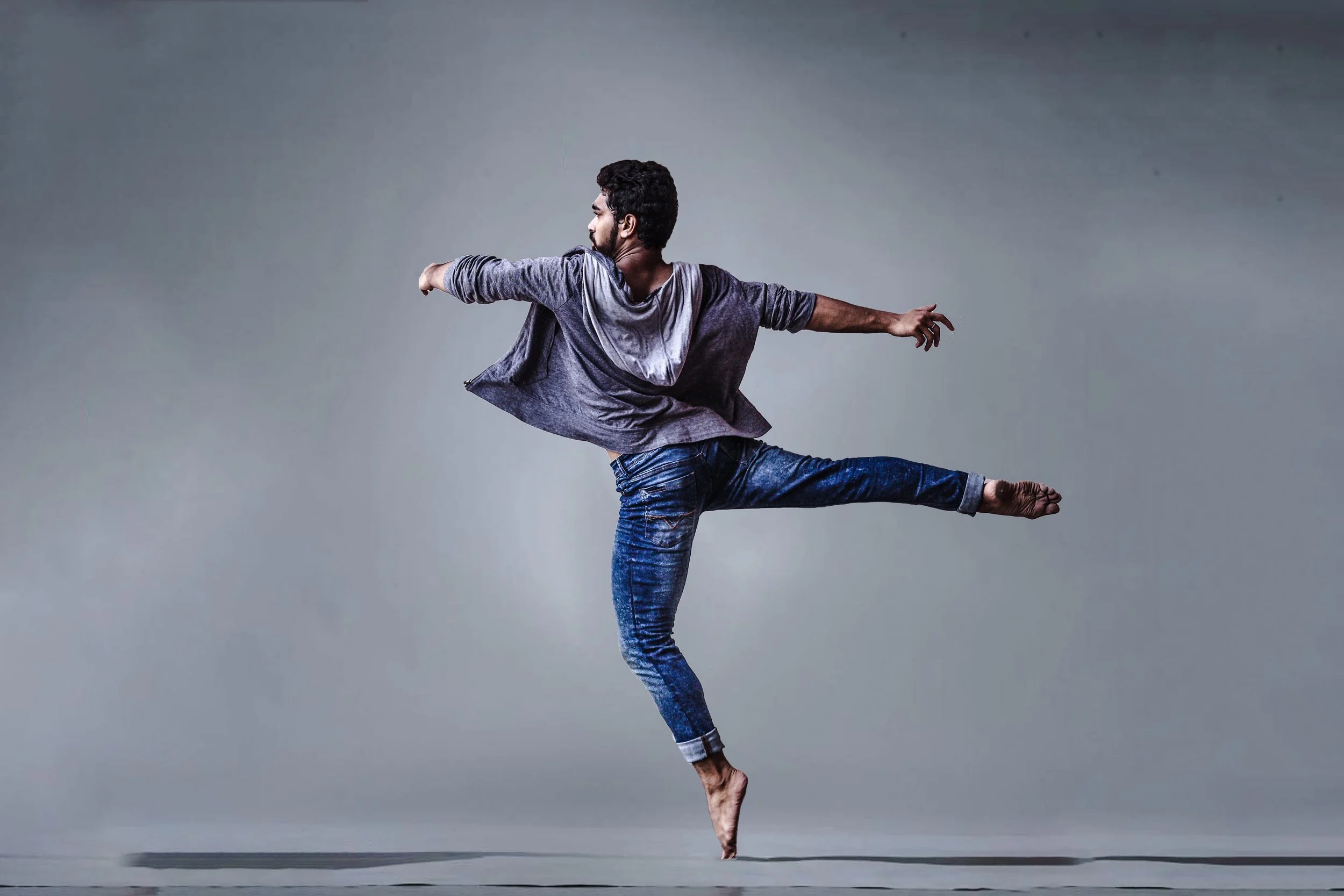
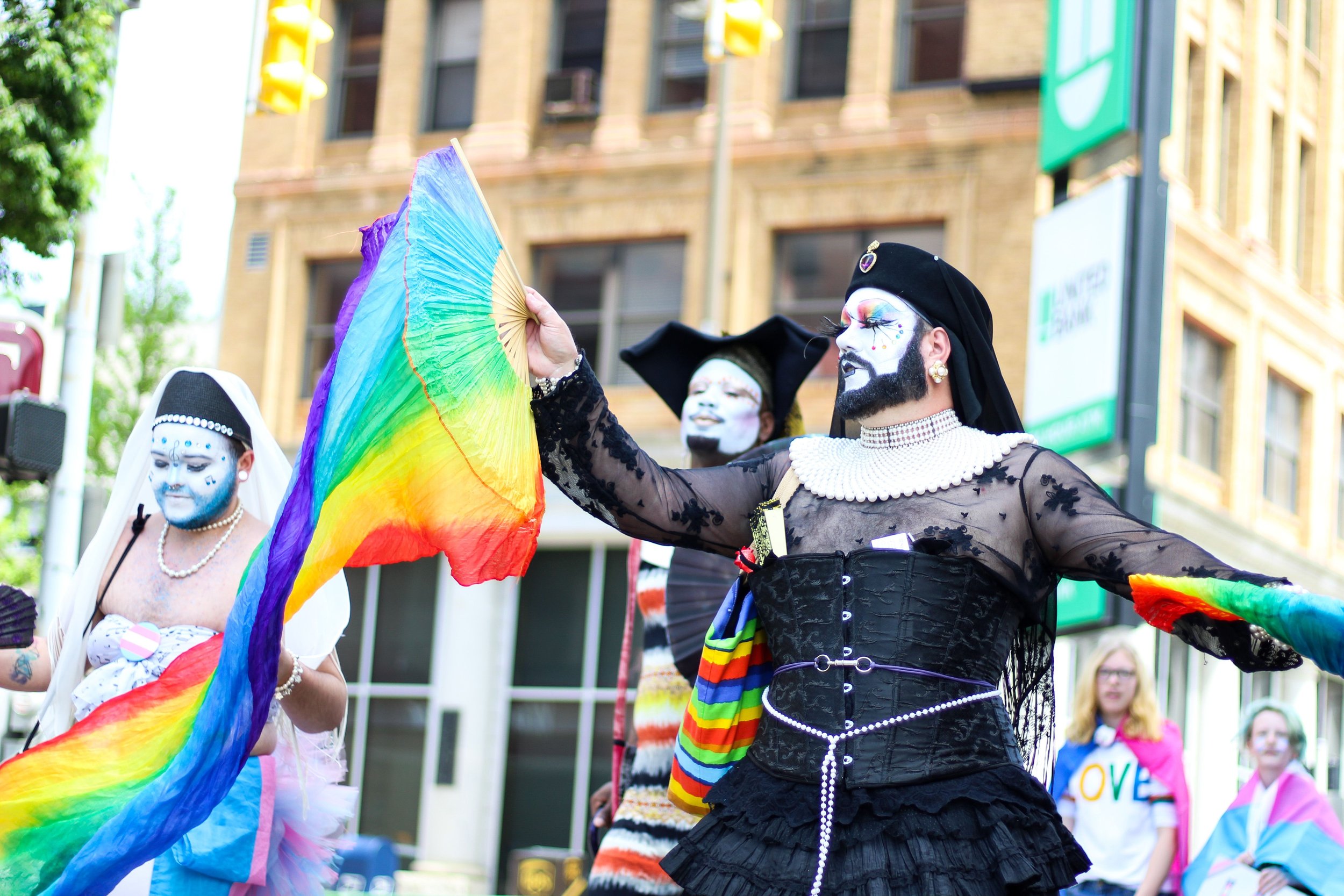
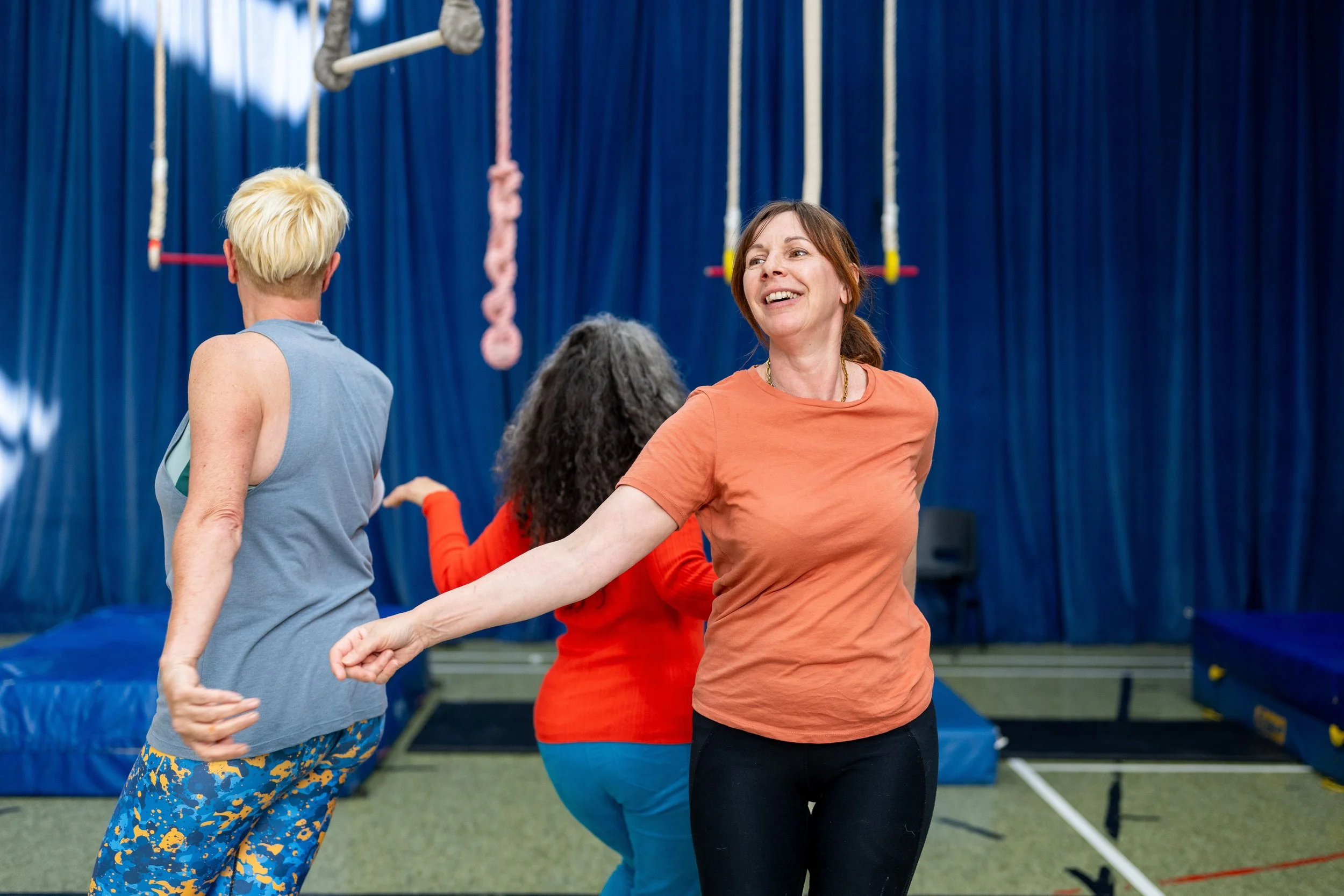



These modalities are woven throughout the practice's work in art and dance movement therapy, which treats the body and the visual imagination as trustworthy sources rather than problems to correct.
When the Creative Process Mirrors Identity
There is a reason so many queer and trans people describe their identities using the language of art. Coming into yourself often involves the same processes as making something. You experiment. You revise. You throw out drafts that were never really yours. You let a truer version emerge over time rather than arriving fully formed. Creative arts therapy makes that parallel explicit and puts it to work.
When you shape material in a session, you are also practicing the deeper skill of shaping a self on your own terms. Choosing this color and not that one, this gesture and not that phrase, is a rehearsal for the larger authorship your life requires. The work of expression through drama, music, and writing therapy can be especially powerful here, because it lets you try on voices and stories and keep the ones that fit.
How to Find Care That Sees the Whole You
Finding the right affirming, creative support takes a little discernment. Not every practice that lists LGBTQ+ clients truly centers them, and not every creative therapist works in an affirming frame. The steps below can help you evaluate whether a space is likely to hold both your art and your identity as inseparable.
1. Notice who has to do the explaining
In your first contact, pay attention to whether you feel invited to be yourself or subtly asked to justify yourself. Do the intake questions assume a range of identities and relationships, or do they assume a default and treat you as the exception?
A good sign is when the burden of translation shifts off your shoulders. You should be able to describe your life in your own terms and be met with recognition rather than surprise.
2. Ask how creativity fits into the work
Ask a prospective therapist how they actually use art, movement, music, or drama, and listen for specifics. You want someone who sees creative expression as a core method, not a warm-up before the real talking begins.
The answer will also tell you how they think about you. Someone who describes creativity as a way to honor what you already know is working from a very different assumption than someone who sees it as a technique to fix a deficit.
3. Look for flexibility across formats
Life circumstances, safety, and comfort vary, and the way you access care should be able to flex with them. Ask whether sessions can happen in the format that works for your situation, including remotely when needed.
Flexibility here is itself a form of affirmation. Being able to choose online therapy can matter enormously for someone who is not out in their local community or who simply feels safer creating from their own space.
Taken together, these steps help you find not just a competent therapist but one whose whole approach assumes that your identity and your expression belong in the same room. Trust how you feel in the first few interactions; that felt sense is data.
Conclusion
When your art and your self are inseparable, you deserve care that never asks you to pull them apart. Affirming creative arts therapy starts from the belief that your creativity is not a symptom to interpret but a form of knowing to honor, and that your identity is a source of strength rather than something to be managed. In that kind of space, expression becomes a way of coming home to yourself, over and over, on your own terms.
If you are looking for support that holds all of who you are, it can help to learn about the values and history behind a practice before you reach out. You can read about the mission and the people who shaped this community on our story page, and consider what it might feel like to be seen, not just permitted, in a room made for exactly that.