
Why Everyone Has a Different Story About the Same Event

You grew up in the same house. You have the same parents, the same dinner table, the same family mythology. And yet you and your sibling will sit in the same room and describe your childhoods like you were raised by different people in different countries.
This is not unusual. This is how humans work. And understanding why can shift something significant in the way you relate to the people in your life and the story you've built about your own experience.
Memory Is Not a Recording
Here is the uncomfortable truth about memory: it is not reliable in the way we want it to be. It is not a video file. It is not an archive. Memory is reconstructive, meaning every time you recall something, your brain is partially rebuilding it using what you knew then, what you know now, how you feel in this moment, and a thousand other variables that have nothing to do with what actually happened.
This is not a flaw. This is how the brain manages an incomprehensible amount of information across a lifetime. But it does mean that your memory of an event is not the event. It is your experience of the event, filtered through your nervous system, your history, your relationships, and whatever was happening inside you at the time.
When two people share an experience, they are each having their own version of it simultaneously. Their attention lands in different places. Their nervous systems respond differently. Their existing stories about themselves and the world shape what registers as significant. They walk away with different memories not because one of them is lying, but because they were in different inner worlds even while standing in the same room.
What Role Does Nervous System State Play?
This is where it gets particularly important for anyone who has experienced something stressful, frightening, or traumatic.
When your nervous system is activated, your brain prioritizes differently. Sensory details that feel threatening get encoded more sharply. Context and sequence can become fragmented. The emotional charge of an experience often gets stored separately from the factual details. This is why someone can remember exactly how their body felt during something frightening and have almost no memory of what was said.
Two people going through the same stressful event will have different levels of nervous system activation, for reasons that have to do with their individual histories. Someone who has experienced trauma will often have a more activated response to a situation that another person experiences as manageable. That is not weakness or drama. That is a nervous system that learned, at some point, that it needed to respond this way to survive. Approaches like EMDR therapy exist precisely because these survival-encoded memories live somewhere different than ordinary recollection.
The result is that the two people are not having the same experience even when they are in the same situation. And their memories will reflect that.
Perception Is Shaped by What We Expect
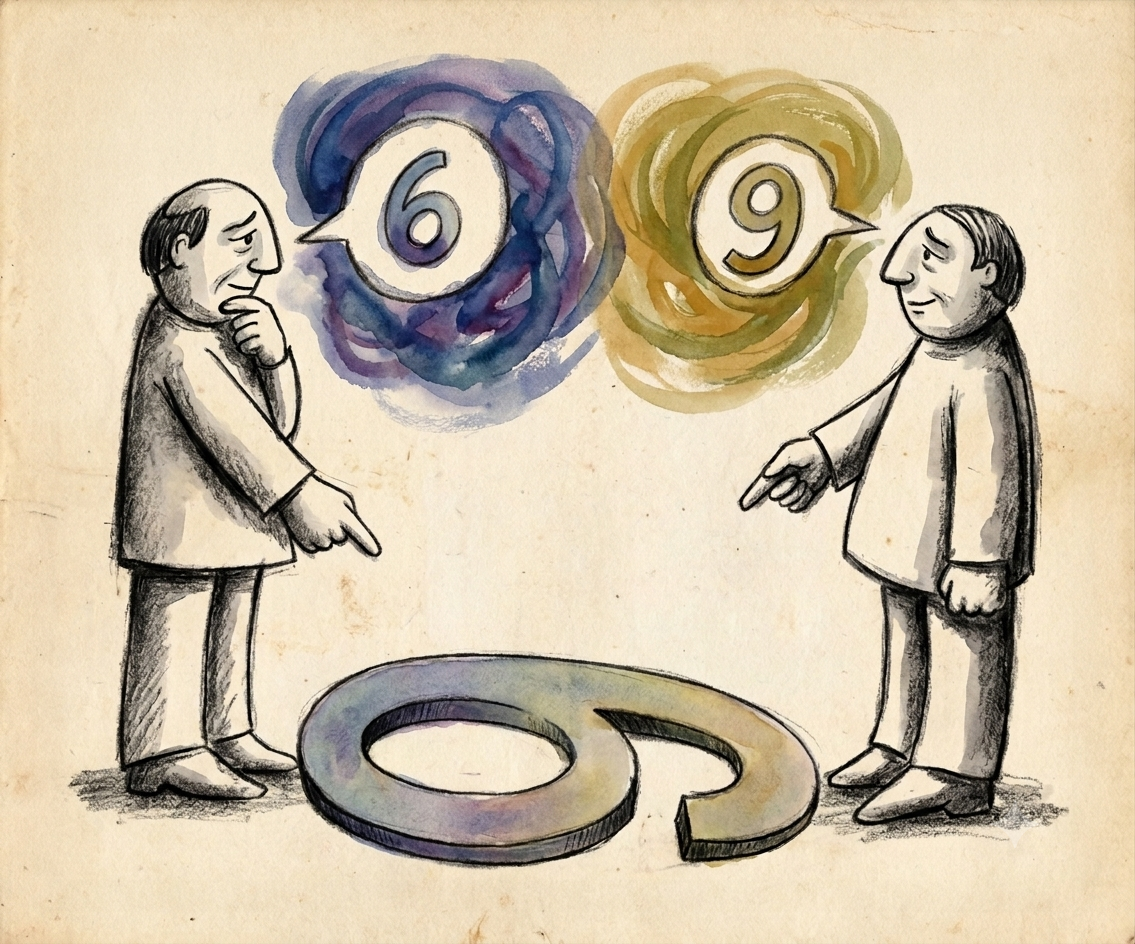
There is another layer to this. We do not just observe what happens. We interpret as we go, and our interpretations are shaped by what we already believe about ourselves and other people.
If you have learned, over time, to expect criticism, your brain will be more attuned to the critical notes in a conversation. You will notice them faster, remember them more vividly, and they will carry more emotional weight than they might for someone without that history. The person you were in conversation with may barely remember saying it. For you, it defined the interaction.
Neither of you is wrong about your experience. You are reporting accurately from the inside of your own perception. That perception is shaped by everything that came before.
This is one reason family therapy can be so revelatory and so difficult at the same time. When the same events mean genuinely different things to different family members, and everyone is convinced of the accuracy of their version, the conversation quickly becomes about who is right instead of what is true for each person. The same dynamic shows up in couples therapy, where two partners can replay the same argument with completely different scripts. Good relational work doesn't try to establish a single official narrative. It makes room for all of them.
The Role of Meaning-Making in Memory
Humans are meaning-making creatures. We don't just experience things. We build stories about them. Those stories help us understand who we are, why things happened the way they did, and what to expect next.
Here is the problem: once you have a story, you will unconsciously look for evidence that confirms it. Memories that fit the story get reinforced. Memories that complicate or contradict it tend to fade or get reinterpreted. Over time, the story and the memory become difficult to separate.
This is one reason that anxiety so often feeds on memory. An anxious mind finds the threatening data points, holds onto them, and builds a story about the world being more dangerous, less manageable, and more likely to go wrong than it may actually be. The story feels true because the memories feel real. And the memories feel real because they were. They are just not the whole picture.
What This Means in Therapy
Understanding that your memory and perception are shaped by your history, your nervous system, and your meaning-making is not a reason to distrust yourself. It is an invitation to get curious. In individual therapy, or in creative approaches that work with the body and image and feeling rather than just narrative, one of the most powerful things you can do is look at the stories you've built and ask: where did this come from? Is this still true? What part of this story belongs to a younger version of me who needed to make sense of something they didn't have the resources to understand?
Here are a few things worth noticing if you're working with this:
When you tell a story about a past event, notice how certain you feel. Certainty is not the same as accuracy. Sometimes the most fiercely held memories are the ones that have been most heavily processed through a particular emotional lens.
Notice what other people remember differently about events you shared. Instead of feeling defensive, get curious. Their version is data about their experience. It does not erase yours.
Pay attention to what emotions live in certain memories. Sometimes, the feeling is the most honest record of what the experience meant, even if the details have shifted over time.
Ask yourself whether there are stories about yourself that you've never questioned. "I'm the one who always gets left behind." "Things never work out for me." These stories often have origin points in real events that got universalized into identity.
Creative arts therapy works with this in a particular way, and our therapists see it often. When you paint something, write something, or move to something rather than narrating it, you sometimes access the pre-verbal, pre-story layer of experience. The thing that happened before you had language for it. Before you decided what it meant. That can be where the most important material lives.

The Hardest Part
The hardest part of understanding subjective memory is sitting with the fact that someone you love, someone you trust, someone who was there with you, can have a completely different story about the same events - and not be lying.
This does not mean all accounts are equally valid when it comes to harm. It does not mean that wrongdoing gets erased because perception is subjective. But it does mean that in most relationships, in most families, in most friendships and partnerships, conflict about "what really happened" is often conflict about two people with genuinely different inner experiences trying to be understood.
What if instead of trying to win the argument about whose version is correct, you got curious about how you both got to where you are?
That shift, from "one of us is right" to "we were both somewhere real," is often where healing starts.
If you're sitting with family dynamics, relational pain, or old stories about yourself that no longer fit, START works with exactly this kind of material. Reach out when you're ready. The story doesn't have to stay the way it's always been told.