
It's Never Too Late to START Something New
There's a voice that shows up right when you're considering something new. A career shift. An art class. Therapy. Learning an instrument at 40. Going back to school at 50. Starting to paint at 60. And that voice says: "You're too old for this. Everyone else started years ago. You've missed your chance. It's embarrassing to be a beginner now."
That voice sounds like wisdom. Like it's protecting you from looking foolish. Like it's just being realistic about how the world works.
But here's what that voice actually is: fear wearing the costume of practicality. And it's lying to you about what's possible.
The truth nobody wants to say out loud is that "too late" is almost never about actual capability. It's about shame. It's about the terror of being bad at something when you're used to being competent. It's about the myth that growth has an expiration date and yours has already passed.
You haven't missed the window. You've just been convinced that windows close.
The Lie About Linear Timelines
We're taught that life follows a script.
You figure out your career in your twenties. You master your skills in your thirties. By your forties you should have it together.
Anything that deviates from that timeline is presented as failure, delay, or settling. People talk about "starting over" like it's admitting defeat instead of choosing differently.
But that script was written by people who benefited from everyone staying in their lane. It keeps you compliant. It keeps you small. It keeps you from disrupting systems that rely on you not realizing you have options. The linear timeline isn't natural law. It's social control disguised as common sense.
Real life doesn't work that way. Real life is messy, recursive, and full of rediscovery. You don't get one shot at becoming who you're supposed to be. You get as many shots as you're willing to take. And the only thing that makes it "too late" is deciding to believe it is.
What "Too Late" Actually Means
Let's be specific about what happens when people say it's too late. They don't usually mean it's literally impossible. They mean it's harder than it would have been earlier. They mean you won't be the youngest or the best. They mean other people might judge you for starting now. They mean you might fail publicly instead of privately.
All of that is true. Starting something new in your forties is different than starting it in your twenties. You have less time to waste on things that don't fit. You have more awareness of what failure feels like. You have responsibilities that make risk scarier. You have a lifetime of evidence that trying new things can go badly.
But you also have something your younger self didn't: clarity.
You know what you actually want, not what you thought you were supposed to want. You know which opinions matter and which don't. You know how to withstand discomfort because you've already survived so much of it.
"Too late" often means "now I'm equipped to actually do this right."
The Specific Terror of Being a Beginner
Here's what stops people more than logistics or timing: the humiliation of being incompetent.
When you're 25 and bad at something, people call it potential. When you're 45 and bad at something, people call it sad.
The beginner stage when you're older feels excruciating because you're aware of the gap between your taste and your ability in a way children aren't.
You can see good work. You know what mastery looks like. And you're currently producing garbage that doesn't match what's in your head. That gap is agonizing. It makes you want to quit before anyone sees how far you have to go. It makes "too late" feel true because surely if you were meant to do this, you'd be better at it already.
But everyone who's good at something was once terrible at it. The only difference between them and you is that they kept going through the terrible phase. The gap between vision and execution doesn't mean you're not cut out for this. It means you're at the beginning.
And the beginning always looks like this, regardless of when you start it.
Why This Matters for Creatives Specifically
Creative people carry a particular version of this fear because you're "supposed" to have figured out your creative identity already. The narrative says real artists started young, real musicians practiced obsessively as kids, real writers were journaling at seven. If you're discovering creative practice later, the cultural story is that you're just dabbling, not seriously pursuing.
That's garbage. Here's why starting creative work later might actually serve you better:
You have enough life experience to make interesting work. Art made by 20-year-olds about their feelings is valid, but art made by people who've survived divorce, career changes, loss, parenting, and reinvention has a different weight. You're not mining theoretical emotion. You're working with lived truth.
You're less precious about being discovered. When you START creating later, you're often doing it for the practice itself rather than external validation, which ironically makes the work more honest and compelling. You're not performing for an audience that might never come. You're creating because it matters to you.
Your BS detector is finely tuned. You can identify what's actually meaningful versus what's trend-chasing, which means your creative practice can cut straight to what matters instead of performing coolness. You've already wasted enough time on things that didn't fit.
You know how to commit to hard things. You've already built careers, relationships, and skills that required sustained effort, so you understand that mastery is a long game and you're less likely to quit at the first obstacle. You know what real work looks like.
You're more interested in process than product. Younger creators often focus on outcomes because they're building a portfolio or a reputation. Later-life creatives get to focus on what the practice does for their internal experience, which is where the real transformation lives.
Starting later isn't a disadvantage. It's a different entry point with different gifts.
How the Arts Help Us BEGIN Again
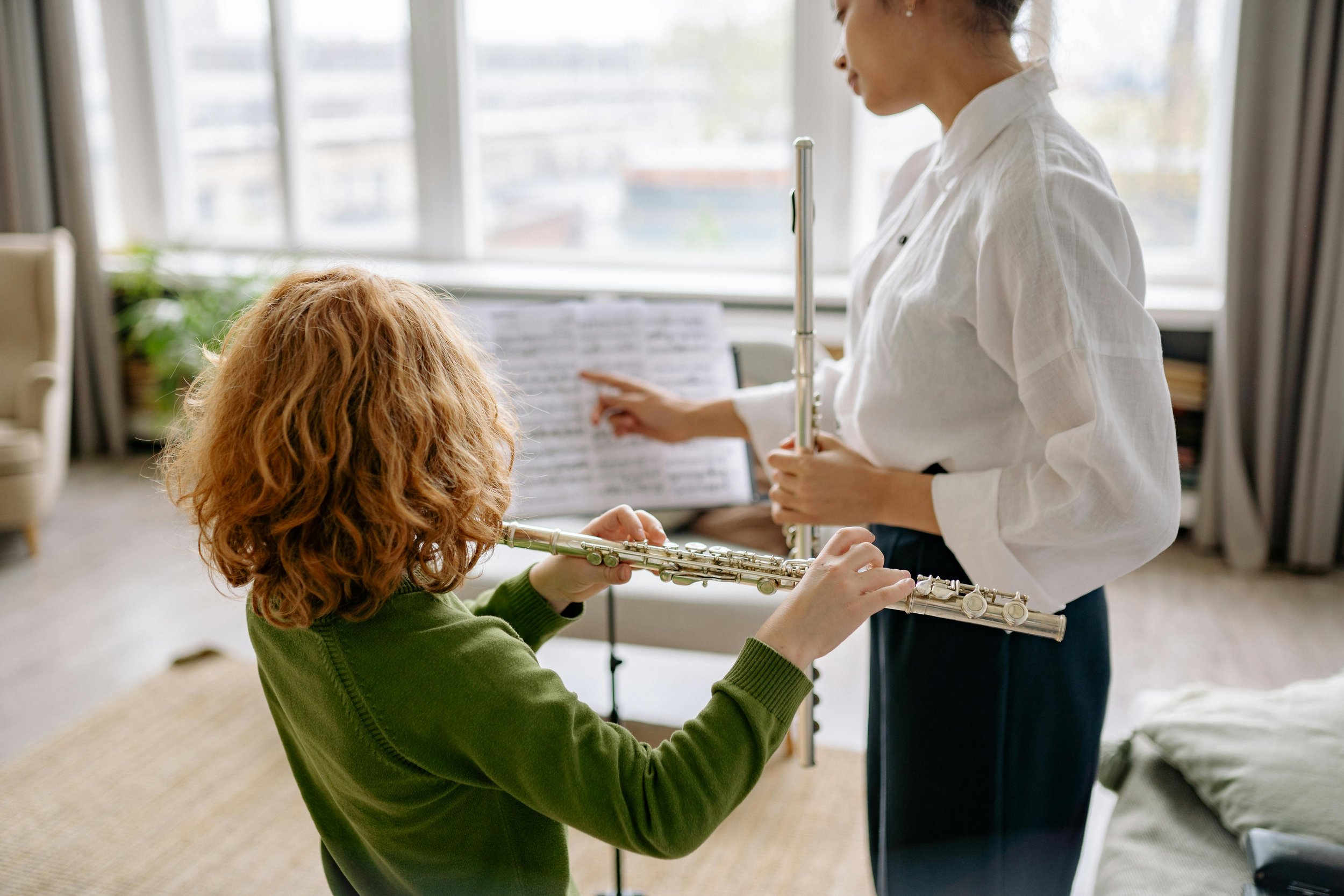
Creative arts therapy gives you permission to be a beginner in the safest possible container.





Art Therapy
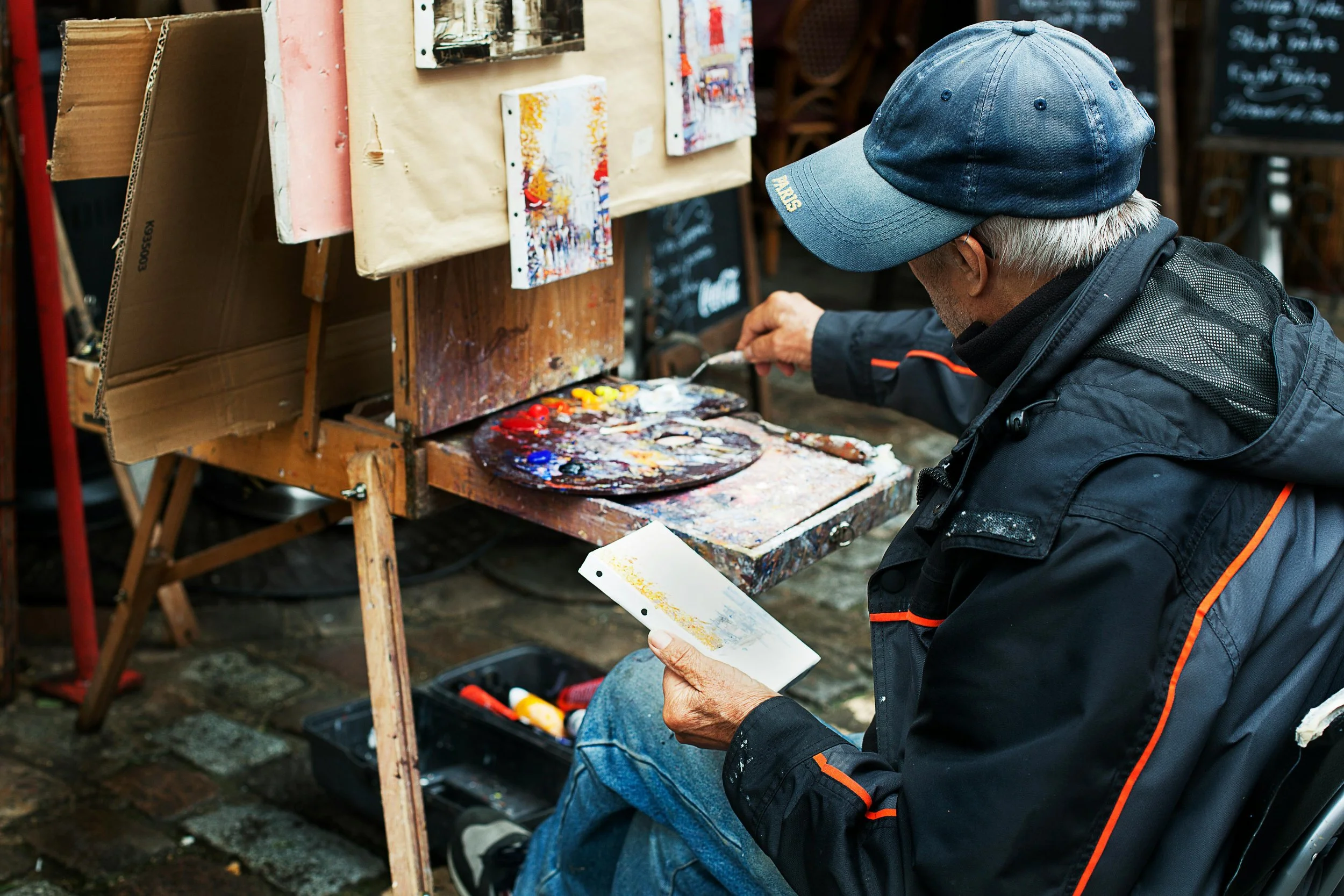
Art therapy externalizes the fear of starting and lets you see what it actually looks like instead of what it tells you it is. You make the "bad" art on purpose and discover it doesn't kill you.
Drama Therapy
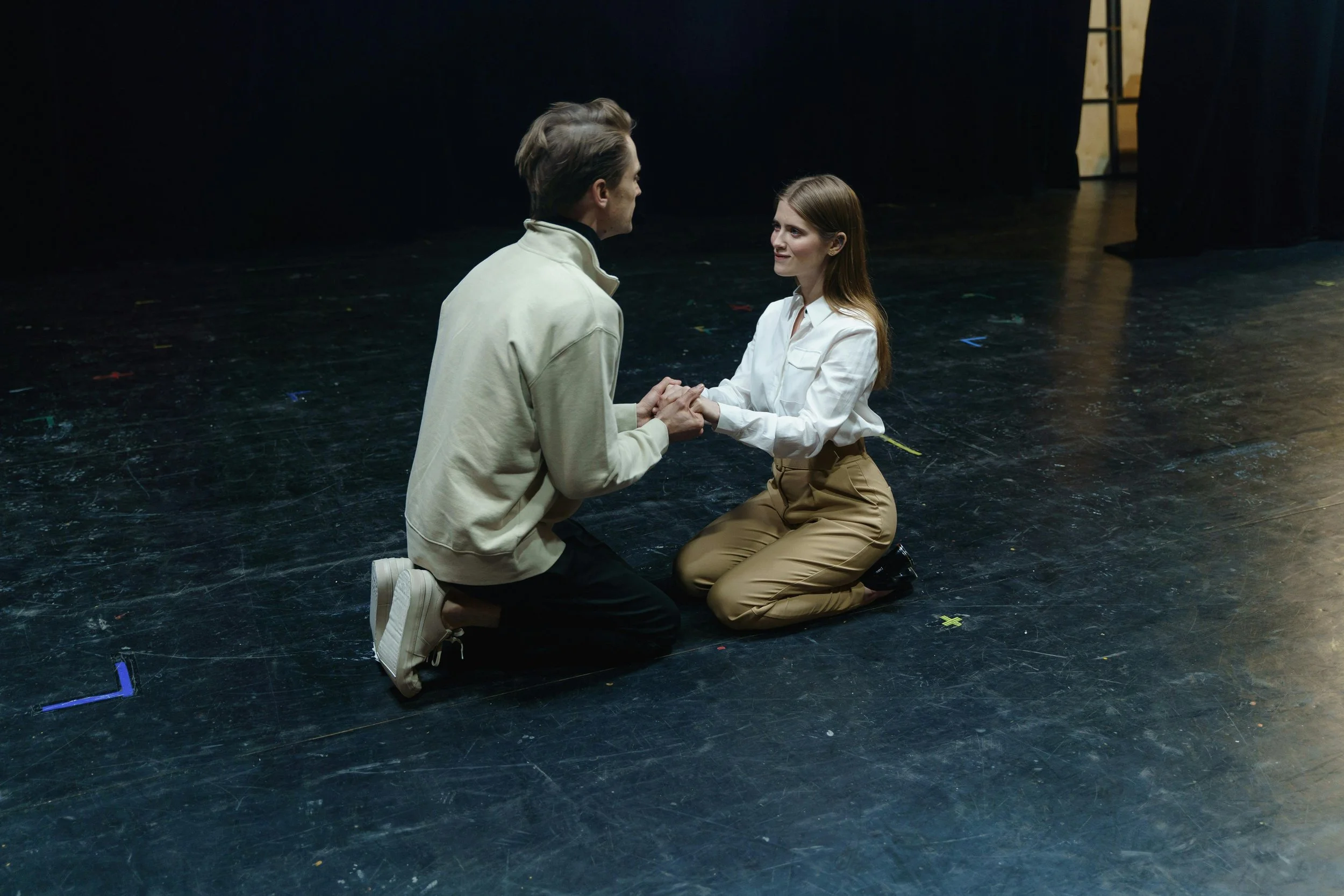
Drama therapy lets you try on the identity of beginner, of risk-taker, of person-who-changes-their-mind, and practice what that feels like before committing to it in your actual life.
Dance/Movement Therapy
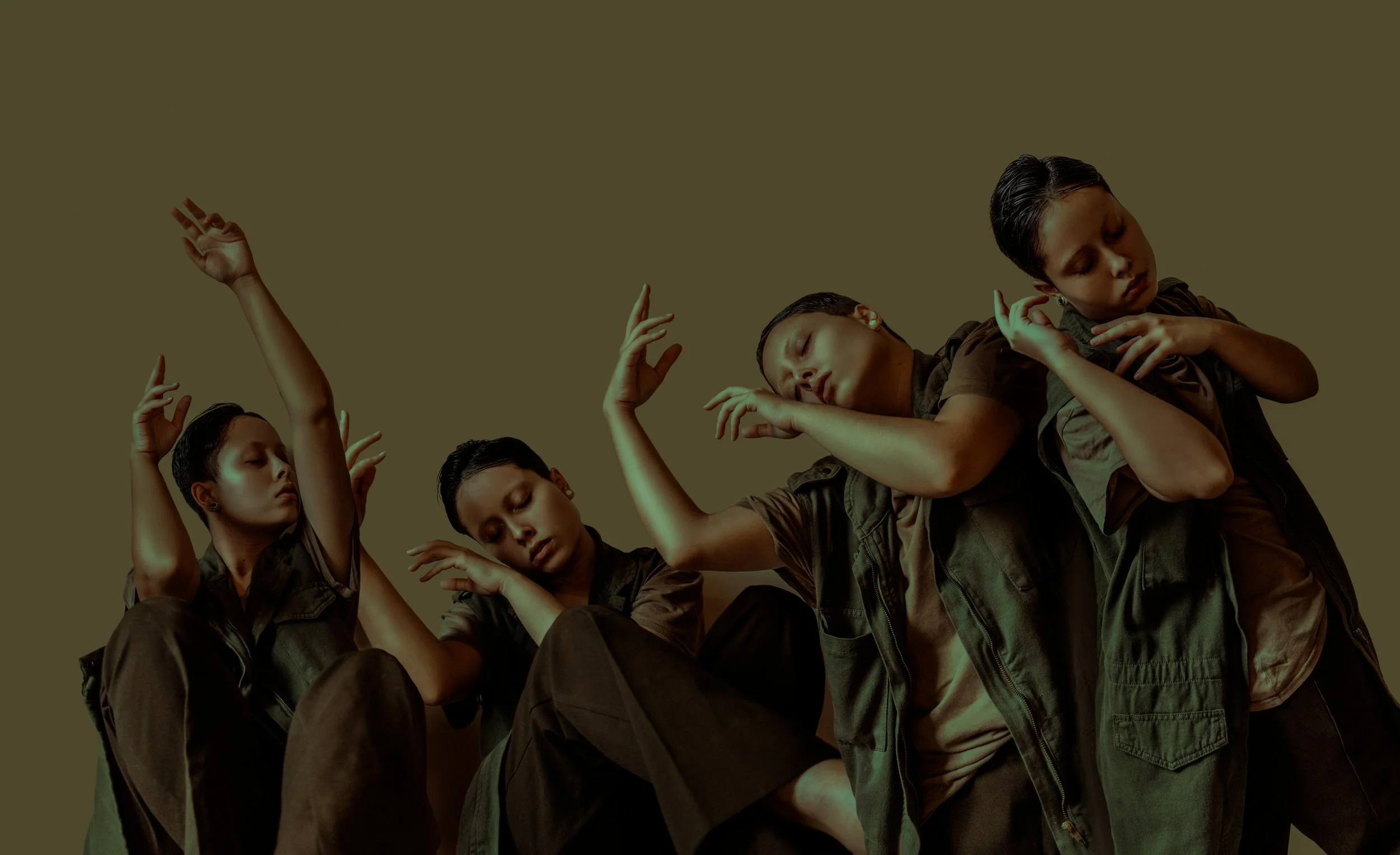
Dance/movement therapy reconnects you to your body's wisdom about what actually fits versus what you think should fit. Your body knows when something's right even when your brain is arguing.
Music Therapy
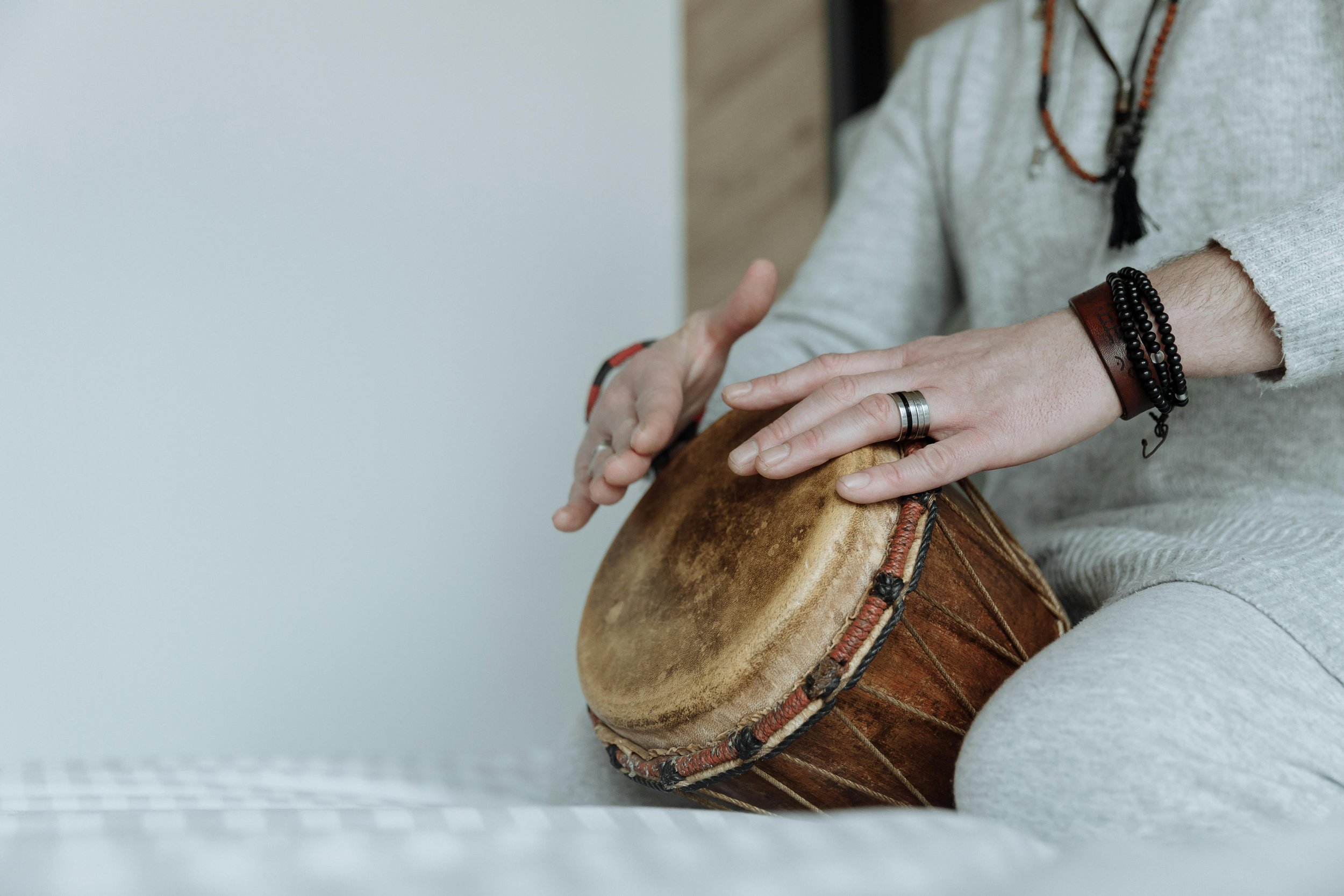
Music therapy steadies the rhythm of change, gives structure to the chaos of transition, reminds you that starting requires its own tempo.
Writing Therapy
Writing therapy catches the looping thoughts about being too late and turns them into story instead of prison. It helps you see your history as preparation rather than evidence you've failed.
None of it is about performance. It's about integration. It's about letting the part of you that wants to START and the part that's terrified to START sit in the same room. That's when something shifts. The body exhales. The self begins to feel like one piece instead of warring factions.
What Actually Happens When You START Anyway
First, it feels impossible. You research the thing and everyone doing it seems light-years ahead. You START and it's harder than you expected. You produce work that makes you cringe. You wonder what you were thinking. Your inner critic has a field day with all the evidence that you don't belong here.
Then something shifts. You stop comparing your beginning to everyone else's middle. You find your own pace. You discover that the thing you thought you wanted to do isn't actually the thing, but you found the real thing by trying. You realize that being a beginner is its own kind of freedom because nobody expects anything from you yet.
And eventually, slowly, you start to see progress. Not linear. Not impressive by external standards. But real. You can do something now that you couldn't do six months ago. You've developed muscle memory, intuition, and taste. You're still not good, but you're less bad. And that trajectory, that incremental growth, becomes its own source of meaning regardless of where it leads.
It's not collapse. It's clarity. It's the first real breath after years of holding it.
Finding Gratitude for What's Possible
Starting something new at any age isn't just about the new thing. It's about gratitude for the parts of you that survived long enough to want something different.
Maybe those parts are: Curious. Brave. Still capable of wanting. Still willing to risk looking foolish.
Healing often starts here. Not with fixing what's broken, but with noticing what's still alive inside you. The part that hasn't given up. The part that still believes change is possible. The part that whispers "what if" instead of accepting "this is just how it is."
True gratitude isn't polite. It's grounded. It's what happens when you stop earning your place and realize you already belong, even as a beginner, even starting late.
Letting Your Village See You START
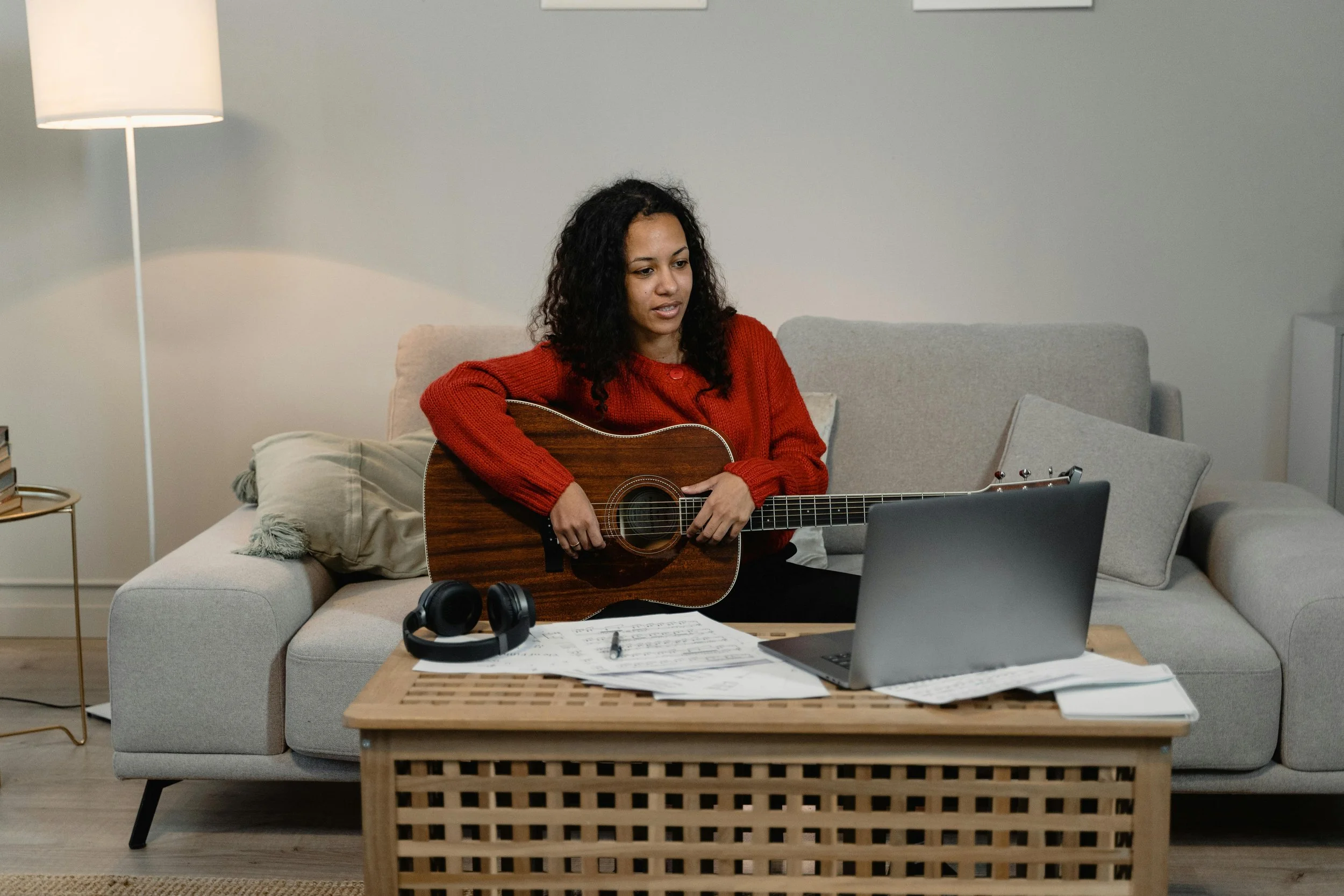
We all need a village. We need people who can hold the version of us that's trying something new without flinching or offering unsolicited advice about why it's impractical.
That kind of safety builds slowly, through honesty, shared mess, and support that doesn't need an explanation.
It's the friend who says "that's brave" instead of "are you sure?" The partner who asks "what do you need?" instead of listing obstacles. The therapist who holds your terror and your hope in the same space until you can carry both.
Therapy can be that starting point, a space where every version of you is welcome, including the version that wants to START something at an age when everyone says you shouldn't. At START: Creative Arts Therapy Services, we help people reconnect with possibility through trauma-informed creative arts therapy. Art, movement, music, drama, and writing help reveal what's underneath the "too late" story and remind you that the parts you've been told to abandon were never meant to stay quiet forever.
Try This
As you consider what you've been telling yourself is too late, try this:
Thank the part that kept you safe by keeping you small.
Thank the younger version of you that couldn't START yet but wanted to.
Thank the version of you that's ready now, even if it's scared.
And thank the people who let you be a beginner without making you justify it.
It's never too late to START. Not because starting guarantees success. But because the alternative is spending the rest of your life wondering what would have happened if you'd tried. And that wondering is its own kind of suffering. At least trying gives you data. At least trying lets you fail forward instead of staying stuck in the same story about why you can't.