
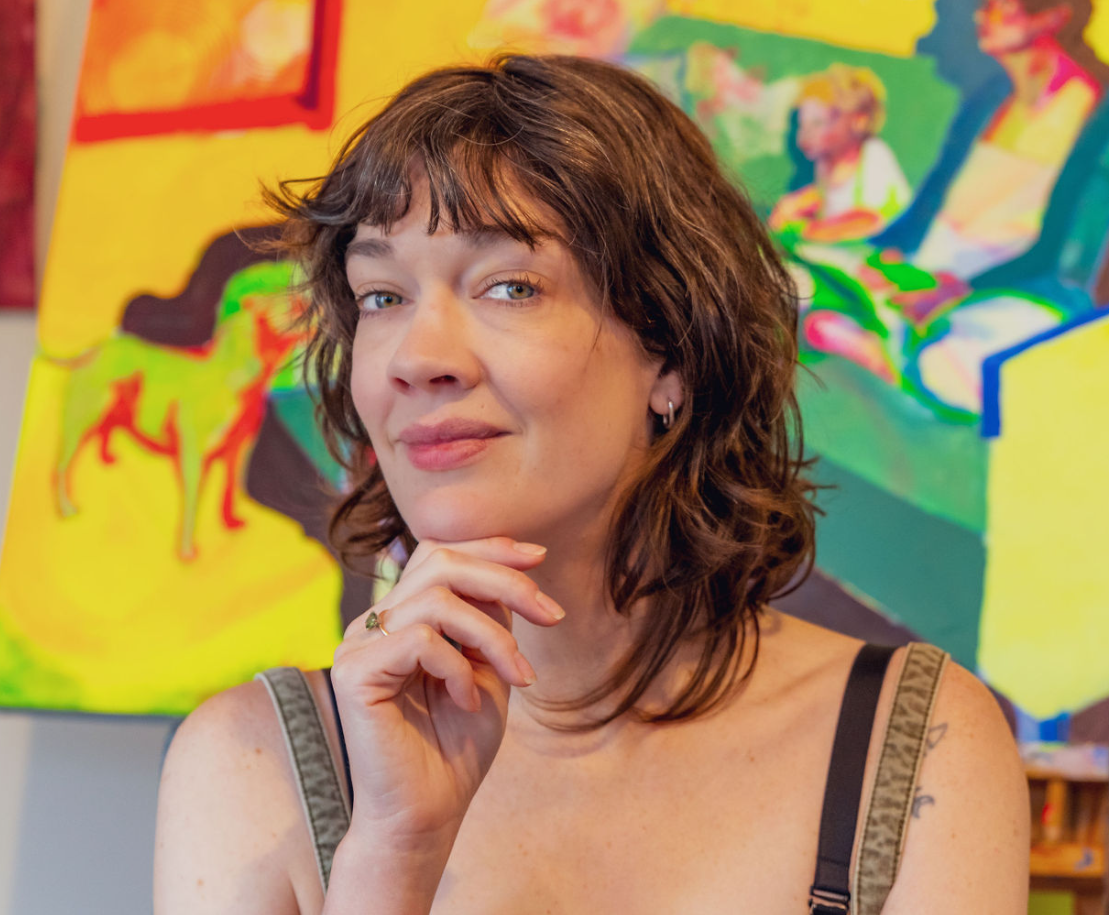
Rachel Kremidas
LCAT, ATR-BC #002877
Attachment Trauma
PTSD
Depression
Client Focus: All ages, Trauma Survivors, Individuals with Avoidance Issues, Adolescents and Adults
Specialties: Attachment trauma, depression, PTSD, C-PTSD, anxiety, relationship issues, self-esteem issues, behavioral issues, domestic violence, sexual violence, emotionally abusive settings, childhood trauma, perfectionism, interpersonal relationships, boundary setting
Treatment Methods: Art Therapy, Acceptance and Commitment Therapy (ACT), Internal Family Systems (IFS), EMDR, Dialectical Behavior Therapy (DBT), Person-Centered Therapy
Rachel Kremidas is a Licensed Creative Arts Therapist and Board-Certified Art Therapist who creates a flexible, nonjudgmental space where clients of all ages can explore their emotional experiences fully and freely. With extensive experience working with PTSD and Complex PTSD, Rachel specializes in supporting individuals working through avoidance issues, attachment trauma, and the difficult emotional states that keep them from living fulfilling lives. She brings a unique approach to therapy that's more like jazz than classical music—dynamic, responsive, and meeting clients exactly where they are in each moment using evidence-based practices adapted to their specific needs.
Her therapeutic approach integrates multiple modalities, including Acceptance and Commitment Therapy (ACT), Internal Family Systems (IFS), Eye Movement Desensitization and Reprocessing (EMDR), Dialectical Behavior Therapy (DBT), and person-centered techniques, all grounded in art therapy principles. Rachel employs client-centered parts work to examine the impact of trauma in a way that appreciates the multifaceted and complete person as more than a diagnosis. She believes creativity is innate in all of us and grants us the capacity to approach difficult feelings, behaviors, or beliefs with compassion. By giving voice to the parts of ourselves that don't always get heard, Rachel helps clients develop a holistic perspective on the origin of behavioral patterns, forging a path toward new, healthier ways of being.
With two Master's degrees in Clinical Art Therapy and Mental Health Counseling, Rachel brings robust academic foundations and specialized training in IFS, ACT, DBT, and EMDR to her therapeutic practice. Prior to becoming a therapist, she pursued a career as an artist and came to realize her joy and skill lay not in personal recognition from the gallery world, but in using her passion for art to help others. She has worked in settings serving people with severe mental illnesses and in trauma treatment, and with each person she connects with, she feels tenacious gratitude to be part of their journey. Rachel embraces the concept of radical acceptance, creating a space where clients can learn that emotions, even the difficult ones we're taught to avoid, are empowering and pragmatic.
Outside the therapy room, Rachel enjoys painting, baking, reading, and spending time with her family. Her dog is often snoring in the background of sessions, adding an extra layer of comfort to the therapeutic space.
Jazz, Not Classical Music
Rachel approaches therapy like jazz rather than classical music—flexible, dynamic, and responsive to where you are in that moment. She aims to meet you where you are and adapt her style to suit your needs using evidence-based practices, creating a therapeutic experience that flows with your journey rather than following a rigid script.Radical Acceptance Meets Creative Expression
Rachel embraces radical acceptance, creating a nonjudgmental space where you can explore your emotional experiences fully and freely. While many of us learn that some feelings are wrong and we should avoid them at all costs, she helps clients open themselves to the full spectrum of emotional experience and discover that emotions are empowering and pragmatic tools for living.Trauma Doesn't Define You
Survivors of trauma, like anyone else, carry with them a rich and complex history. Rachel employs client-centered parts work to examine the impact of trauma in a way that appreciates the multi-faceted and complete person as more than a diagnosis, exploring mind-body connections and maladaptive beliefs in an empowering, client-centered environment.
"I hope my clients get to be kinder to themselves, and to find out when or why they stopped being nice to themselves, so they can work towards a more fulfilling, engaging, and compassionate life."
- Rachel Kremidas, LCAT, ATR-BC