
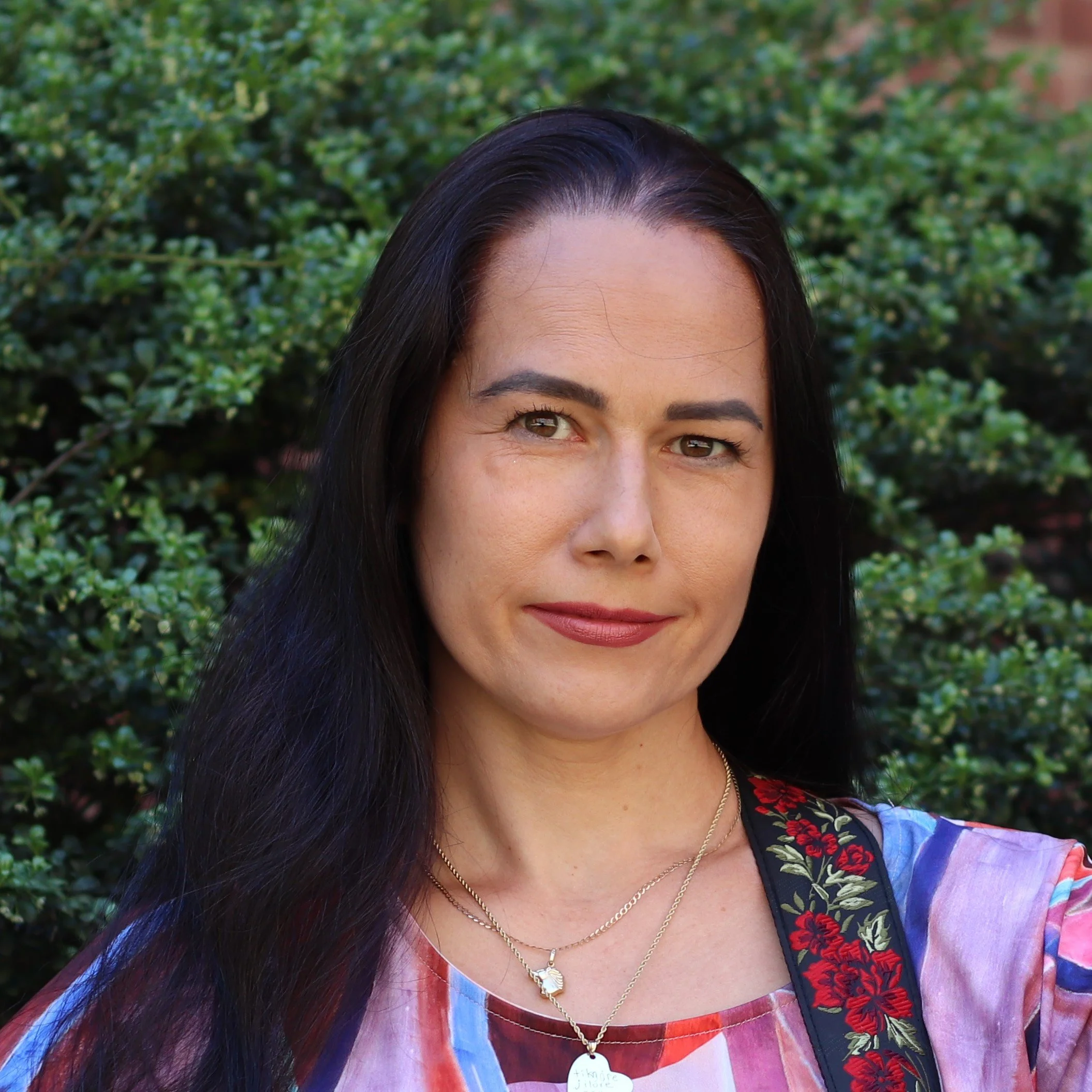
Dr. Petra Gelbart
LCAT, MT-BC #002970
Depression
Anxiety
Chronic Illness
Client Focus: Children, Adolescents, Adults, Elderly, Neurodivergent Individuals, Parents, Immigrants, LGBTQ+ Community, Medical Patients and Families
Specialties: Depression, anxiety, chronic illness, autism, adoption, foster care, trauma, developmental disorders, parenting stress, palliative care, immigration and acculturation, neurodivergence, end-of-life care
Treatment Methods: Music Therapy, Music Psychotherapy, Dialectical Behavior Therapy (DBT), Trauma-Focused Treatments, Client-Centered Therapy, Developmental and Rehabilitative Music Therapy
Dr. Petra Gelbart is a Licensed Creative Arts Therapist and Board-Certified Music Therapist who finds it rewarding to work with clients across the lifespan, from children to persons facing the end of life. She connects very well with parents, children, and neurodivergent folks, bringing personal experience with neurodivergence, adoptive and biological parenting, foster care, LGBTQ+ issues, and chronic illness, all of which help her relate to a diverse range of client viewpoints as well as challenges. As an immigrant from a racialized minority group, culture-centered questions are a big part of what she does, understanding how countless cultural relationships influence us, whether it's how families work in our ethnic group, expectations of behavior in our society, our musical cultures, religious/spiritual lives, or our work and school cultures.
Her therapeutic approach is eclectic and client-centered, drawing on Dialectical Behavior Therapy (DBT), music psychotherapy, trauma-focused treatments, and other techniques. Petra believes that when it comes to therapy, one size fits one. Some people benefit from a sustained dive into their past, their relationships, or their place in society. Others are more interested in finding solutions to personal problems in the present. For many clients, using music in the therapeutic process allows them to fast-track and optimize the emotional work they need to do before they can make meaningful changes in their lives. Music psychotherapy can involve anything from talking about song lyrics to actually making music. Connecting conversations, personal stories, or even doodles to music has a way of drawing out feelings better than words ever could.
With a Master's in music psychotherapy, board certification in developmental and rehabilitative music therapy approaches, a New York State creative arts therapy license, and a doctorate in ethnomusicology with a focus on intercultural communication and K-12 education, Petra brings robust academic and clinical expertise to her work. She has been a board-certified music therapist since 2015, working with clients of all ages. As an immigrant of mixed background, she's dealt with misunderstandings between multiple languages and communities and is very aware of how cultures shape us. She has a deep interest in each person's backgrounds and identities, so she can help clients build on what's useful in these relationships. But creative arts therapy can also help clients untangle themselves from cultural messages that oppress them.
Outside the therapy room, Petra loves to dance, run on grass with bare feet, and learn new languages. She's also a human rights activist and makes Roma-language movies with kids as part of her volunteer work.
Music as Cultural Bridge and Liberation
Like many musicians, Petra carries tradition in her body and passes it on through her voice. This doesn't mean she agrees with everything that's said in songs written by other people. She wants to help you find YOUR strongest voice in the world that surrounds you. Creative arts therapy can help clients untangle themselves from cultural messages that oppress them while building on what's useful in their cultural relationships.Neurodivergence and Developmental Disabilities Specialist
Music therapy is particularly effective in strengthening developmental skills as well as bonds between family members. Petra works with children, adolescents, and families, including individuals with developmental disabilities such as autism or fetal alcohol spectrum disorders, and issues related to foster care or adoption. Goal areas may include speech and language (specialized interventions for increasing functional communication), attachment (breaking down barriers through shared musical experiences), and behavioral challenges or coping with the stresses of parenting.Medical and Palliative Care Expertise
Petra has helped many clients and their families cope in the context of stroke recovery, dementia, Parkinson's, and/or terminal illness. She is also sensitive to the life-altering stresses of chronic pain and disabling conditions. Music therapy addresses a number of goal areas, both in the realm of psychotherapy (frustration, anticipatory grief, relationships) and in rehabilitation or mitigation of symptoms (memory care, pain management, speech, range of motion). In the context of a therapeutic relationship, music acts as powerful medicine.
"Your voice can become stronger, whether it speaks, writes, sings, or whispers."
- Dr. Petra Gelbart, MT-BC, LCAT