
Why You Pick the Same Type of Partner
Different face, same dynamic. Different personality, same outcome. You swore this one would be different, and for a while it was, until suddenly it wasn't. Until you found yourself having the same fights, feeling the same disappointments, wondering how you ended up here again with someone who seemed so different at first.
This isn't about being bad at choosing partners or having terrible taste in people. This is about patterns, specifically attachment patterns, that formed so early you don't even remember learning them. Your brain is trying to resolve something from your past by recreating it in your present, hoping this time will be different. Except the recreation is the problem.
So let's talk about why you keep choosing partners who trigger the same wounds, what your relationship patterns are actually trying to tell you, and how to interrupt the cycle without just swearing off relationships entirely.
Why Your Brain Keeps Choosing Familiar Over Healthy

Here's the part that sounds backwards but makes perfect sense once you understand attachment: your brain is wired to seek what feels familiar, not what's actually good for you. Familiar equals safe, even when familiar is objectively terrible. Because familiar is predictable, and your nervous system would rather deal with predictable dysfunction than risk the unknown of something genuinely different.
If your early relationships taught you that love comes with conditions, that affection is inconsistent, that you have to earn attention, that closeness leads to abandonment, your brain internalized those patterns as "this is how relationships work." And when you meet someone who treats you differently, who's actually available and consistent and kind, it doesn't register as love. It registers as unfamiliar and therefore potentially dangerous.
So you're drawn to the partner who's emotionally unavailable like your parent was, or who needs rescuing as your caregiver did, or who's critical in the same way you learned to be criticized. Not because you consciously want to suffer, but because your attachment system is trying to master an old wound by recreating the original dynamic and getting a different outcome this time.
Except you can't heal old wounds by reenacting them with new people. You just end up with the same pain in a different package.
What Your Relationship Pattern Is Actually Telling You
Let's get specific about what these patterns look like, because recognizing the dynamic is the first step to changing it.
You're attracted to emotionally unavailable partners
You're chasing someone who won't fully commit, who keeps you at arm's length, who makes you work for scraps of affection, because that's what love felt like growing up, and your brain is trying to finally win that game.
You keep ending up with partners who need fixing
You're drawn to people with obvious problems because taking care of them feels like love, and if you can fix them, maybe this time you'll be enough to make someone stay.
You choose partners who are critical or controlling
You're recreating dynamics where you had to perform or please to receive love, hoping this time you'll finally be good enough to earn unconditional acceptance.
You pick partners who are intense at first, then distant later
You're reenacting the push-pull dynamic of inconsistent early attachment, where love came in bursts followed by withdrawal, and you learned that intensity equals connection.
You're with someone who mirrors your parents' worst traits
You're unconsciously trying to resolve your relationship with your parent by getting your partner to act differently than your parent did, which never works because your partner isn't your parent.
The pattern isn't random. It's your attachment system's attempt to go back and get what you needed the first time, except you're trying to get it from people who can't give it because you're choosing people who replicate the original wound.
The Difference Between Chemistry and Compatibility

Here's where it gets tricky: the partner who triggers your attachment wounds will feel like chemistry. That instant recognition, that intensity, that feeling of "finally, someone who gets me" is often your nervous system recognizing a familiar dynamic, not identifying a healthy match.
Real compatibility, the kind that builds sustainable relationships, often feels boring at first. It feels too easy. It feels like something must be wrong because there's no drama, no intensity, no desperate need to win them over. Your nervous system mistakes the absence of activation for the absence of attraction, when actually it's just the absence of your trauma response being triggered.
Couples therapy helps you understand this distinction. When you can identify what chemistry actually is versus what healthy attachment feels like, you can start making different choices. Not by forcing yourself to date people you're not attracted to, but by recognizing when your attraction is actually your attachment wounds being activated.
You're not attracted to them because they're right for you. You're attracted to them because they're familiar, and your brain is hoping this time the familiar will turn out different.
Why Knowing Your Pattern Doesn't Automatically Change It
You've probably already identified your relationship pattern. You can probably articulate exactly what you keep doing wrong and why you keep choosing the same type of partner. And yet here you are, doing it again. Because insight doesn't rewire your nervous system. Understanding the pattern intellectually doesn't change what feels safe or attractive at a visceral level.
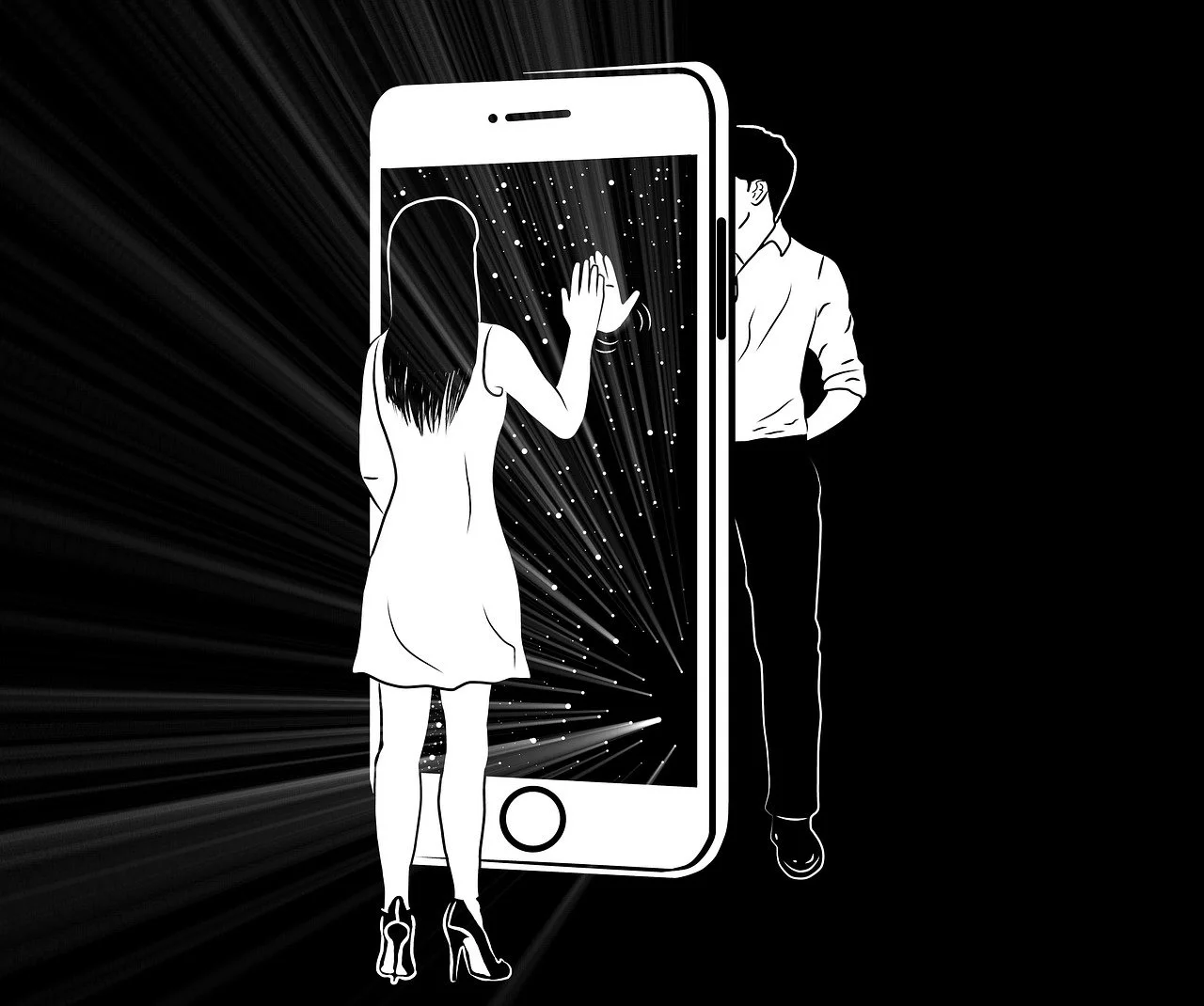
Your attachment system operates below conscious thought. It's not making decisions based on what you know to be true; it's responding to what it learned to be true when you were too young to have conscious memory. You can't just decide to feel differently about someone. You can't logic your way into being attracted to secure, available partners if your entire relational template says that's not what love looks like.
Individual therapy addresses this at the level where the pattern lives, which is in your body and your nervous system, not just your thoughts. Sometimes that means talk therapy to understand the origin of your patterns. Sometimes it means somatic work to change what feels safe in your body. Sometimes it means creative approaches that help you experience different relational dynamics without having to articulate what you're working through.
You can know all the reasons you keep choosing the wrong partner and still keep choosing them until you do the work to change your attachment template, not just your understanding of it.
What Actually Helps When You're Stuck In The Pattern
You need concrete strategies for when you notice yourself falling into the same dynamic again, or when you're trying to make different choices but your entire nervous system is screaming that this new person doesn't feel right.
1. Notice the initial attraction without immediately acting on it
When you feel that instant chemistry, that intense pull, pause. Ask yourself: is this person actually good for me, or does this feel familiar? Give yourself time to assess beyond the initial activation.
2. Pay attention to how you feel around them over time
Do you feel calm and safe, or anxious and activated? Do you feel like yourself, or like you're performing? Sustainable relationships should eventually feel stable, not constantly dramatic.
3. Look for green flags, not just red flags
What does healthy actually look like? Consistency, follow-through, emotional availability, respect for boundaries, ability to repair after conflict. If these bore you, that's information about your attachment system.
4. Get external perspectives from people who want the best for you
Your friends and family can often see patterns you can't. If everyone in your life is concerned about your relationship, consider that they might be seeing something your attachment system is too activated to notice.
5. Work through the original wounds
You can't stop choosing the same partner until you address why you're drawn to that dynamic in the first place. Therapy helps you heal the actual wound instead of endlessly recreating it.
The goal isn't to force yourself to date people you're not attracted to. The goal is to change what attraction means to you, so that healthy feels exciting instead of boring.
When The Pattern Is About Trauma, Not Just Attachment
If your relationship pattern includes choosing abusive partners, if you're repeatedly in situations where you're being hurt or controlled, if your past relationships involved violence or severe emotional abuse, that's not just attachment wounding. That's trauma, and it requires specialized support to address.
Trauma changes your threat detection system and your sense of what's normal in relationships. It can make red flags invisible or make danger feel like love because it's activating familiar survival responses. Trauma therapy helps you recognize and interrupt these patterns before you end up in another harmful situation.
You're not choosing abusive partners because you're broken or because you like being hurt. You're choosing them because trauma taught your nervous system that this is what relationships are, and until that wiring gets updated, you'll keep gravitating toward what your system recognizes as relational, even when it's actually dangerous.
The bottom line: You keep choosing the same type of partner because your attachment system is trying to resolve an old wound by recreating it. The partner who feels like home is often the one who recreates your earliest relational injuries. Changing the pattern requires more than just awareness. It requires actually healing the wounds that make the pattern feel necessary, and teaching your nervous system that safe can also feel like love.