
Why Ugly Art Might Be Your Most Honest Work
There's art you make to show people, and then there's art you make at 2 am that looks like a crime scene had a baby with your subconscious. The stuff you'd never post. The stuff that doesn't match your aesthetic. The stuff that makes you think "what is wrong with me?" when you look at it the next morning. Here's what nobody tells you: that's probably your most important work.
We've been taught that good art means technically skilled, visually pleasing, Instagram-worthy art. But honest art? Honest art is frequently ugly as hell. It's messy. It's disproportionate. It doesn't care about color theory or composition or whether anyone wants to look at it. And that's exactly why it matters.
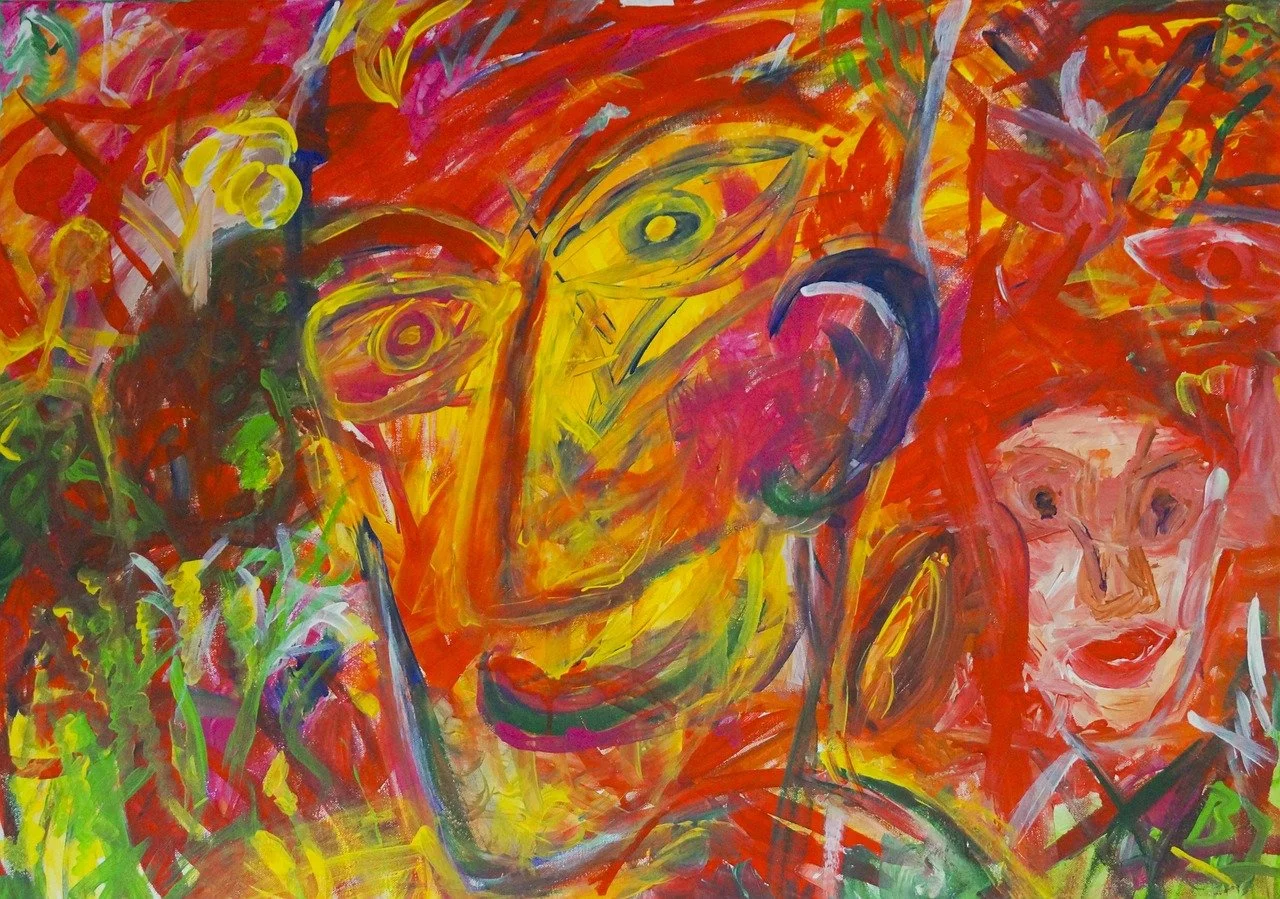
The Lie We're Sold About "Good" Art
Somewhere along the way, you learned that art should look a certain way. Clean lines. Balanced compositions. Colors that don't make people uncomfortable. Subject matter that's either beautiful or profound but never just raw and weird. You learned that if you're going to make something, it should be worth looking at. Worth sharing. Worth the space it takes up.
That's the trap. Because the second you start making art to be "worth it," you stop making art that's true. You start performing. You start editing before the thought is even fully formed. You start asking, "Will people like this?" instead of "Does this need to exist?" And the distance between those two questions is the distance between decoration and actual expression.
Your ugly art, the stuff you make when you're not trying to make good art, that's where the truth lives. That's where you stop performing and start processing. That's where your actual self shows up instead of the version you've been taught is acceptable.
What Makes Art "Ugly" Anyway
Let's be specific about what we mean by ugly. We're talking about art that doesn't follow rules. Art that uses colors that clash. Art that's intentionally or accidentally crude. Art that depicts things that make you uncomfortable. Art that looks childish or unskilled or like you made it in a rage or a breakdown. Art that embarrasses you when you look at it later because it's so raw that it feels like you're standing there naked.
Ugly art is art that prioritizes feeling over form. It's what happens when you stop trying to make something beautiful and start trying to make something honest. Sometimes honest is beautiful. Often it's not. And that's the whole point. The world has enough pretty art. What it doesn't have enough of is art that tells the truth about what it actually feels like to be human.
The Permission You Didn't Know You Needed
Here it is: you are allowed to make ugly art. You are allowed to make art that no one else understands or likes. You are allowed to make art that serves no purpose except to get something out of your body and onto a surface where you can look at it. You are allowed to make art that you never show anyone. You are allowed to make art that's technically "bad" and still have it matter.
This isn't art school permission. This isn't "everyone's an artist" participation trophy nonsense. This is recognition that art as a tool for processing your internal experience has absolutely nothing to do with whether that art would get accepted into a gallery or get likes on social media. Those are different functions. Both valid, but different.
When you make ugly art, you're not making it for consumption. You're making it for survival. For clarity. For the relief of externalizing something that was taking up too much space inside you. That function doesn't require beauty. It requires honesty. And honesty is frequently ugly.
What Happens When You Let Yourself Make Ugly Things
First, you feel ridiculous. You feel like you're wasting materials. You feel like you should be practicing "real" skills or making something you could actually use or show. Your inner critic has a field day because ugly art gives it so much material to work with.
But then something shifts. You realize that when you're not trying to make something good, you access different parts of yourself. You try techniques you'd normally be too scared to attempt. You use colors you'd normally talk yourself out of. You depict things you'd normally censor. And in that space where you've stopped trying to control the outcome, you often stumble into something real.
The ugly art becomes a map of your actual internal landscape instead of the postcard version you show people. It becomes documentation of states you couldn't articulate with words. It becomes evidence that you survived something, even if you can't make that survival look pretty.
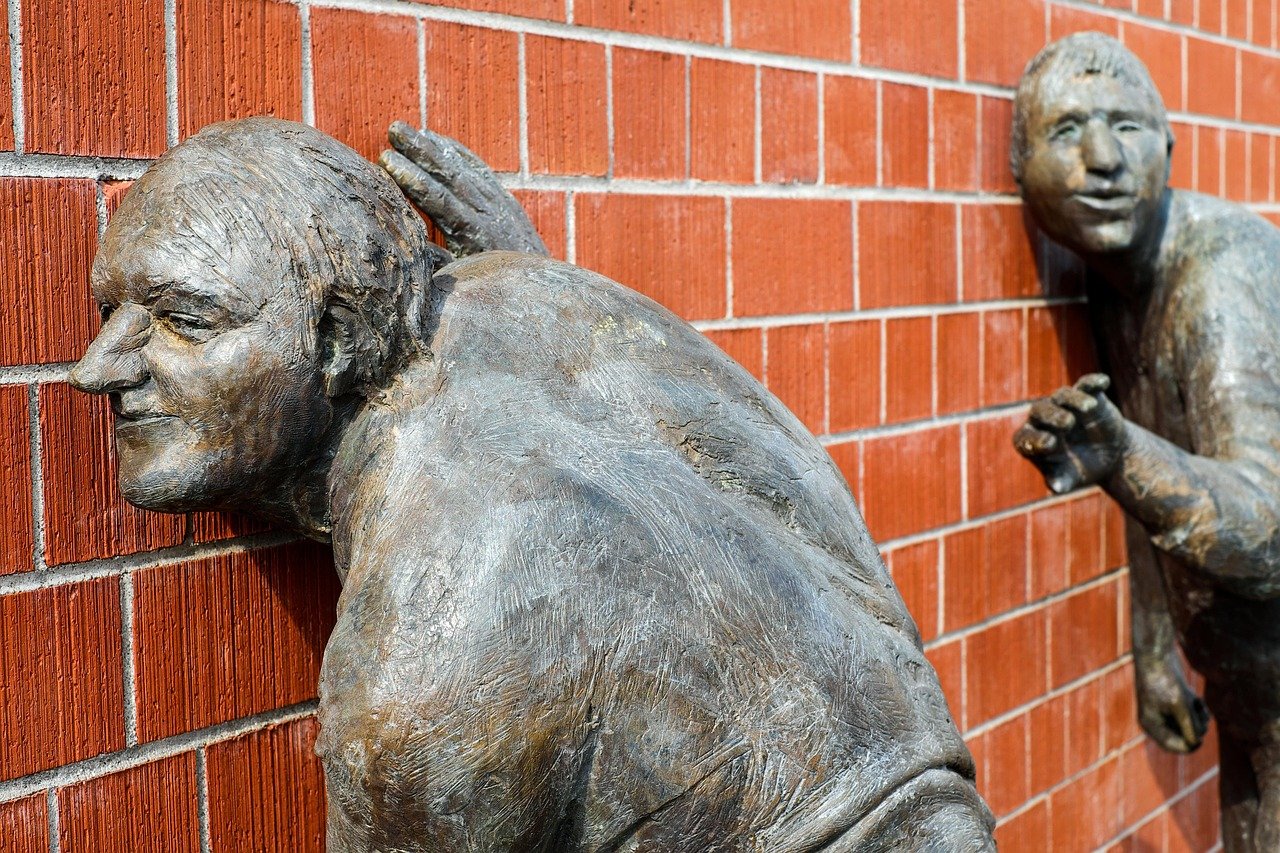

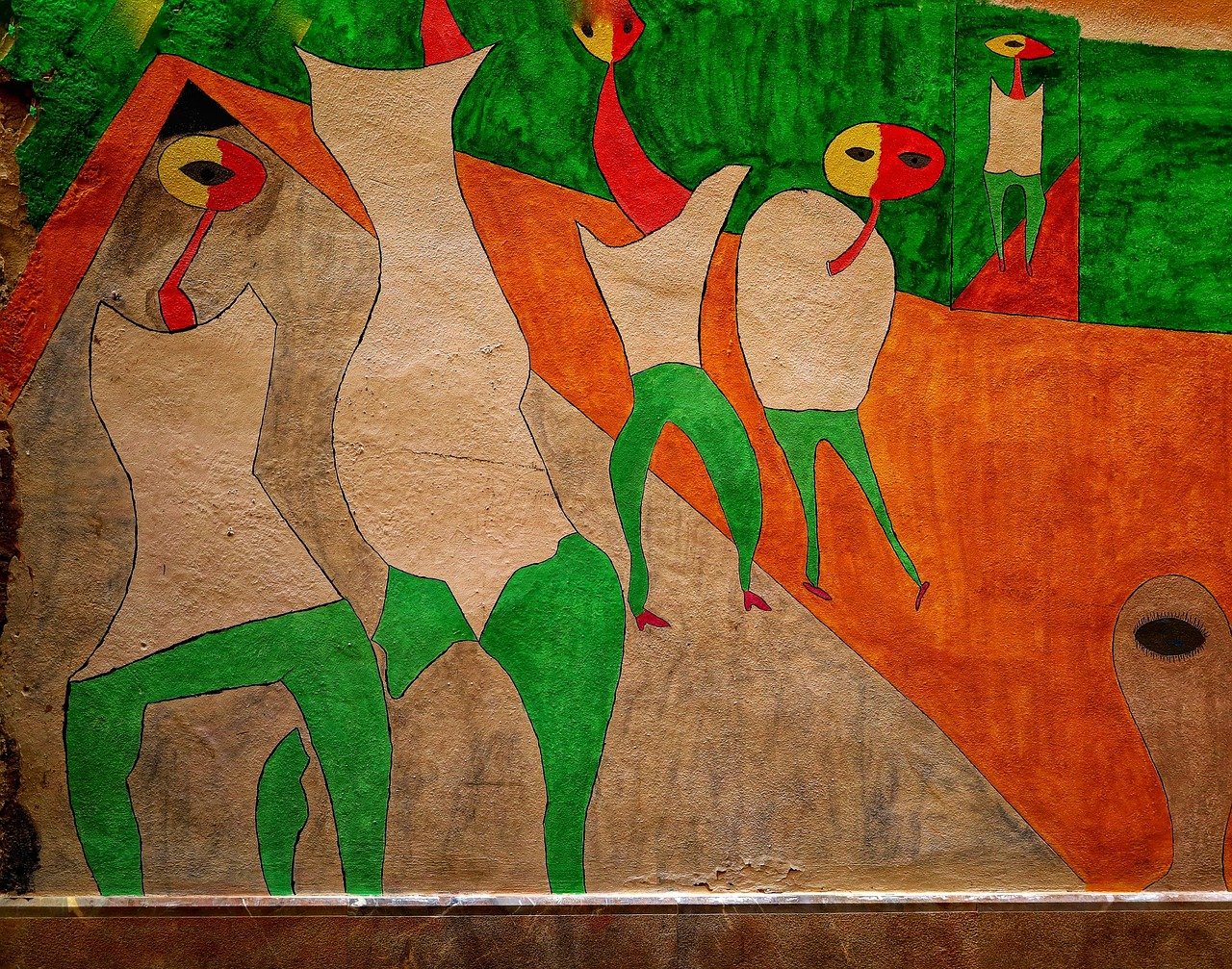
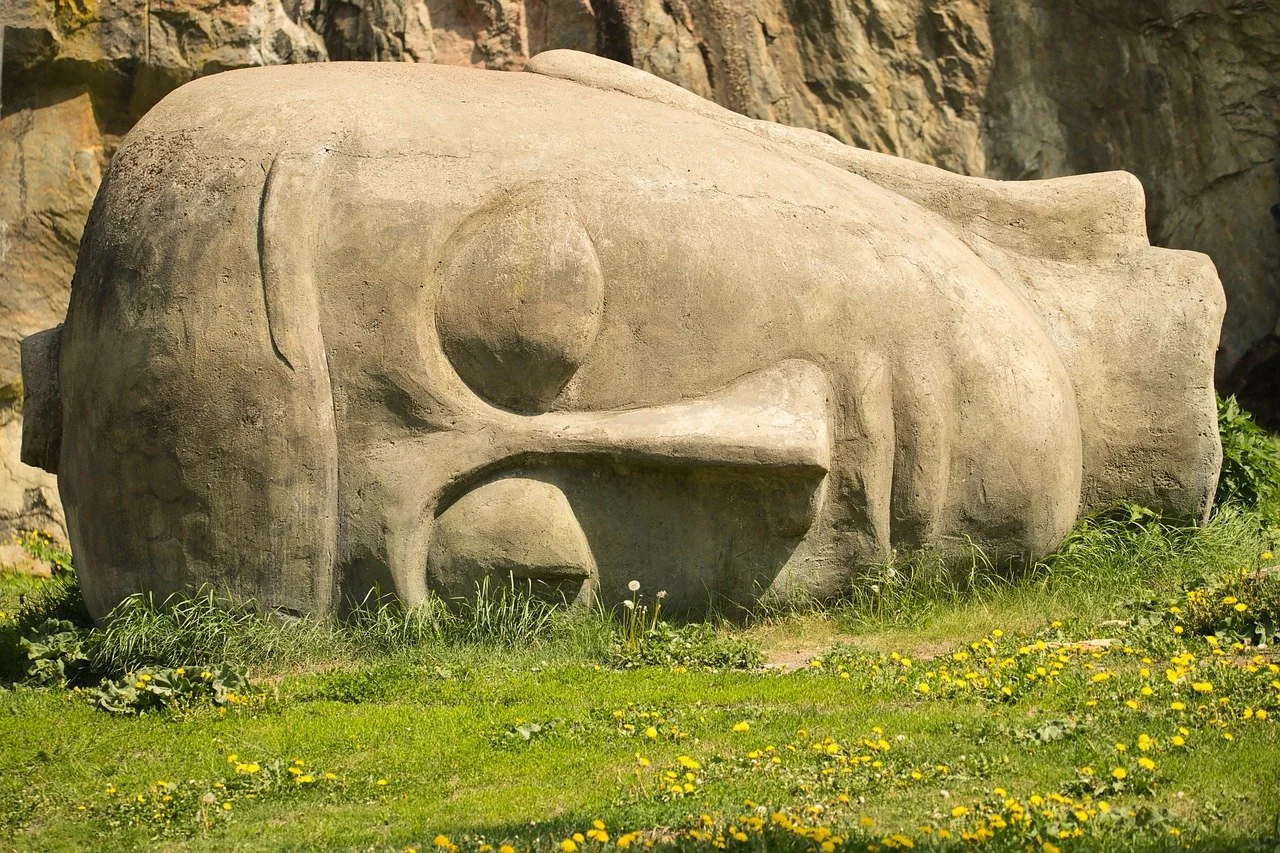
Why This Matters For Creatives Specifically
Creative people often carry a specific burden when it comes to ugly art because you're "supposed" to know better, to have taste, to produce work that demonstrates your skills and vision. Here's why giving yourself permission to make ugly things anyway is essential:
1. Your technical skills can become a prison
When you know how to make things look "right," it's harder to let yourself make things that look wrong, even when wrong is more honest than right.
2. Perfectionism kills more art than lack of skill ever will
The ugly art practice is the antidote because it removes the possibility of perfection, which means you can actually finish things.
3. Your aesthetic becomes a brand, and brands aren't honest
Ugly art is where you get to step outside the cohesive feed and the recognizable style and just be a person having feelings.
4. Processing emotions through beauty adds a translation layer
Sometimes you need to depict the thing exactly as jagged and uncomfortable as it feels, and pretty doesn't have vocabulary for that.
5. Making ugly art on purpose builds resilience for creative risk
When you've survived making intentionally "bad" work, it's easier to take risks in your "real" work because you've already faced the worst-case scenario.
The ugly art isn't separate from your creative practice; it's the foundation that keeps your creative practice connected to something real.
How To Actually Start Making Ugly Art
Stop calling it practice. Stop calling it a warmup. Stop treating it like it's less important than your "real" work. Get materials you don't care about wasting. Set a timer for 20 minutes. Make something that depicts exactly how you feel right now without any concern for whether it looks good or makes sense or whether you'd ever show it to anyone.
Let it be bad. Let it be embarrassing. Let it be the visual equivalent of that text you wrote in your notes app at 3am that you'd never send. Let it be crude or childish or melodramatic or whatever it needs to be. The only rule is honesty. The only goal is getting it out.
Do this regularly. Not instead of your other work, but alongside it. Create a separate space, physical or digital, where ugly art lives. Where it doesn't have to justify its existence or improve over time or lead to anything. Where it just gets to be what it is: honest, messy, and yours.
The bottom line: Your ugly art isn't a failure of skill or taste. It's evidence that you're prioritizing truth over presentation, and that's rarer and more valuable than you think. The art world doesn't need more pretty lies. It needs more honest messes. Yours included. So make the ugly thing. Keep it or destroy it, but make it. Because sometimes the only way to the truth is through the ugly, and the truth is always worth the mess.